



27 Jan Understanding Functional Health Testing: What Your Blood & Hormone Tests Are Really Saying
Naturopathic medicine is based on the philosophy of addressing the root causes of health problems to resolve your symptoms, not just masking them. Natural medicine is not enough. We don’t want to offer you a herb like Willowbark as a replacement for Advil or Tylenol just because it’s a herb! We want you to uncover WHY you have daily pain, and not have the pain in the first place!
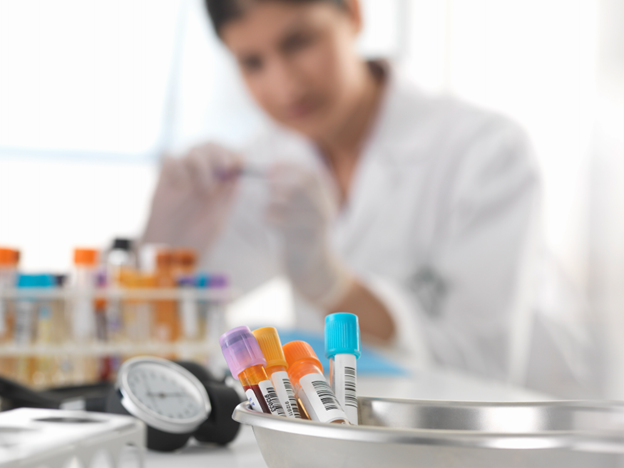
There are many ways to get to the bottom of your health with functional health testing. Functional health tests from private labs can improve and expand upon your health diagnosis. This includes testing hormone food sensitivities, blood tests, hormone tests through saliva or urine, stool testing, breath analysis, hair mineral analysis, and IGG Food Sensitivity testing.
Functional health testing takes a deeper dive into how your health systems are functioning and communicating with each other. This type of testing allows the doctor to understand the chemistry of your blood and hormones in a much more individualized way, and get you better results with your health. For example, if you find a certain nutrient or hormone deficient in the blood, it could be for several reasons.
Did you produce enough hormone? Is it getting rerouted into a different direction? Or is the hormone getting produced but destroyed, then racing out of your blood and leaving the body?
Functional health testing often involves testing for inflammation, gut issues, and stress. Our symptoms may be present for months or years of “dysfunction” long before traditional blood tests show a clear diagnosis or “disease”. A great example of this is testing hormones in blood work.
Many women experience very symptomatic peri-menopause or menopause, despite findings of normal hormone testing in bloodwork. For comparison, testing the same hormones through saliva gives a very different understanding of a functional test. Saliva hormone testing filters out and only measures bioavailable hormones, and can reveal hormone imbalances that fall through the cracks in regular bloodwork. There’s no point having enough hormones if they’re not “open for business”!
Another popular functional medicine test for hormones is called the DUTCH test, which measures hormone levels in your urine. This test is very detailed and measures several of the intermediate hormones and subtle variations of estrogen, testosterone, and progesterone in the chemistry pathways. Urine hormone testing also shows the byproducts of hormones, and can reflect if your chemistry has been altered. I often compare the DUTCH test to a road map, looking for traffic jams and detours in your functional health.
Testing hormone food sensitivities is an important part of functional health evaluations. IGG Food Sensitivity Testing is another common test ordered by naturopaths who provide functional health testing. When your body experiences an IGG reaction to a food, the symptoms may begin several hours or several days after consuming the food. That’s why it is difficult to notice which foods are reactive from just journaling your diet and symptoms.
IGG Food Sensitivity testing is offered in several labs and is done through a blood sample. IGG reactions can cause increased damage to the gut lining, increasing the permeability, and potentially causing “leaky gut syndrome”. Avoiding the reactive foods may be enough if there are just a few foods found to be reactive. This gives the body time to reduce the inflammatory chemistry and allows the gut some time to heal. The health benefits can include better skin, less pain, weight normalization, better gut function, or better mental health.
Other patients who have longer lists of IGG reactive foods might need to look at an even bigger picture, in a more holistic functional medicine way. Why are you getting more allergic to more foods? If your gut is imbalanced, that too can damage the gut and lead to the development of food allergies or sensitivities. Functional Health Testing looks at the interconnectedness of how your diet, microbiome, hormones, nervous system, and emotions all interact and overlap. That’s the beauty of naturopathic or functional medicine.
You may be feeling “so many tests, so little time, or so little money”. Where do you begin? After being a naturopathic doctor for over 30 years, I’ve learned how important it is to work in the right order. I always start with a clean-up first. Let’s look for toxins, parasites, or harmful foods first!

IGG Food Sensitivity Testing isn’t always the first test I recommend if you present with a lot of digestive complaints. In those cases, we may do a Live Cell Blood Analysis or a GI Map test to improve the microbiome first, providing natural help for digestion.
Only after the gut is in good health would we discuss if any further Functional Health Tests are indicated. Don’t be surprised if what looks like a long, complicated list of complaints gets resolved in just a few steps. That’s the beauty of the holistic approach of naturopathic and functional medicine!
At Bronte Natural Health Clinic, we have over 30 years of experience treating patients with chronic and complex conditions. We offer a variety of health and wellness tests and provide a personalized approach to restore and optimize your health.

- Understanding Functional Health Testing: What Your Blood & Hormone Tests Are Really Saying - January 27, 2026
- Natural Help for Digestion: Simple Lifestyle Tips That Make a Big Difference - October 28, 2025
- Personalized Naturopathic Approaches to Cancer Care in Oakville: What to Expect - June 20, 2025